Every road trip has two prices: the one in the brochure of your imagination, and the one the odometer collects. The gap between them is almost never a surprise expense; it is the fuel, underestimated by a method that was wrong in three small ways at once. Someone guessed the car's economy from the brochure, priced fuel at the home pump, and forgot that the trip's distance is the round trip plus every detour. This guide replaces the guessing with a budget built the way accountants build anything: one core equation, honestly measured inputs, the secondary costs as separate lines, and a split at the end. Our companion guides cover the trip's shape in the road trip planner and stop placement in road trip planner with gas stops; this one owns the money.
Home / Map Skills for Travel and Outdoors
Road Trip Planner With Gas Cost: Budget the Drive Before You Turn the Key
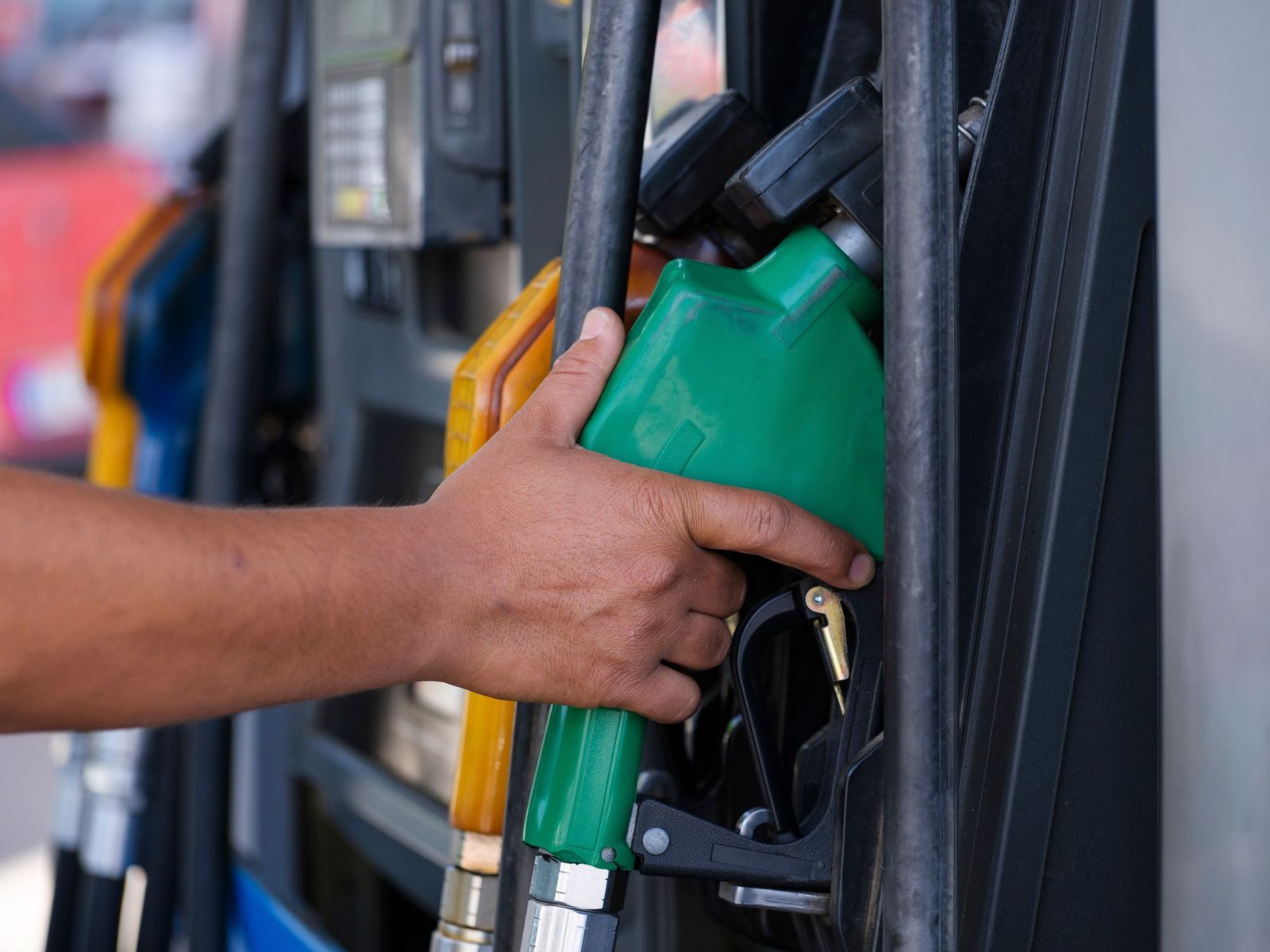
Photo: Engin Akyurt / Pexels
Price the Drive: The Gas Cost Checklist
Check off each step as you finish it. Your progress stays on this page.
0 of 6 complete
0% done
The Core Equation: Distance Over Economy, Times Price
Fuel cost is distance divided by fuel economy, multiplied by price per unit. In miles and US gallons: gallons needed equals miles divided by miles per gallon, and cost equals gallons times price per gallon. A 900 mile trip in a car that truly returns 30 mpg burns 30 gallons; at a sample price of 3.60 per gallon, that is 108 dollars of fuel. In metric the same skeleton wears liters and kilometers: liters equals kilometers divided by kilometers per liter, or, from the more common consumption figure, liters equals distance times consumption per 100 km divided by 100. A 1,200 km trip at 7.0 liters per 100 km burns 84 liters. The equation never changes; only the honesty of its inputs does, which is why the next two sections, measuring real economy and pricing the route rather than the home pump, matter more than the arithmetic. Treat every price in this article as a labeled sample for demonstrating the method, because fuel prices move weekly and by region; the method is the durable part, and it takes whatever today's price is as an input.
Input One: Your Real Fuel Economy, Measured Brim to Brim
The brochure figure and the dashboard's lifetime average are both flattering witnesses. The dashboard in particular often reports the car's own optimistic estimate, and it cannot know about your roof box, your passengers, or your right foot. Measure instead, the way fleets do, brim to brim. Fill the tank completely and reset the trip odometer, or note the mileage. Drive normally through most of the tank. Fill completely again at the same kind of pump, and note the gallons the second fill took and the miles driven since the first. Miles divided by gallons is your real economy for your real driving: 412 miles on 13.1 gallons is 31.5 mpg, a number with evidence behind it. Repeat once more if the first measurement surprises you; two fills average out pump shutoff differences. Then adjust the trip estimate for the trip's conditions: highway cruising usually beats your mixed average, while mountains, a loaded car, winter fuel, and a rooftop carrier pull it down. Using your measured mixed figure as the planning number, without inventing a highway bonus, is the conservative habit that keeps budgets intact.
Input Two: The Route's Distance, Not the Map's Headline
Distance is the second input, and its trap is optimism by omission. The map's headline figure is the one-way, shortest-path distance between two pins. Your trip's distance is that number's unruly family: the round trip, the detours to the places that are the point of the trip, the in-town miles at each stop, the wrong turns, and the scenic alternative you will absolutely take when you see the sign. Build the budget distance deliberately: sum the legs as you actually plan to drive them in your route planner, then add a contingency of about ten percent for the unplanned miles every trip generates. If the plan is one-way with a flight home, budget one-way, but say so in the spreadsheet so nobody doubles it later. This is also the moment to price the toll roads on the route, from the toll authorities' published schedules for your vehicle class, as their own budget line rather than a surprise harvested from your change cup at midnight.
Input Three: Fuel Prices Along the Route
The home pump is the one price on the trip you will pay at most twice. Prices vary by state, by region, and by the distance from a highway exit, and a long trip crosses several price regimes. The working method: sample prices at your planned fuel stops, the towns the gas-stops plan already chose, using a fuel price app or the stations' listed prices a day or two before departure, and average them weighted by roughly how much fuel each stop will sell you. That is usually just the simple average of three or four stops. If prices along the route run higher than home, the budget learns it now, at the desk, instead of at a desert pump with a monopoly and a sense of humor. Recompute the core equation with the route average: the 900 mile, 30 gallon trip at a route average of 3.85 instead of the home 3.60 costs 115.50, and knowing the 7.50 difference in advance is the entire difference between a budget and a hope.

The Rest of the Budget: Tolls, Food, Lodging, and Wear
Fuel is the line people ask about; it is rarely the largest line on a long trip. Build the rest as separate lines with their own simple math. Tolls: the sum from the route check above. Lodging: nights times a realistic nightly rate for the class of place you will actually accept at 9 pm in the rain, not the rate of the place you imagine booking. Food: days times a per-person daily figure you choose by style, cooler-and-sandwiches to restaurant-every-meal, multiplied by travelers. Activities and parking: a lump line with the known admissions priced and a margin for the unplanned. Then the honest line most budgets omit: wear. A car consumes tires, oil life, and depreciation per mile whether or not cash leaves your hand on the trip, and drivers who make this trip often, for work or family duty, should see that cost to compare driving against flying truthfully. The next section gives that comparison its standard yardstick. Sum the lines, and the trip has a price; divide by travelers only at the end, because a per-person figure computed from a partial budget splits the error as faithfully as the cost.
The IRS Standard Mileage Rate: A Yardstick, Handled Honestly
For drivers in the United States whose trips touch business, the Internal Revenue Service publishes a standard mileage rate: a per-mile figure meant to capture the full cost of operating a car, fuel, maintenance, tires, insurance, and depreciation in one number. It is the natural yardstick for the wear line above and for reimbursement math, and it must be handled the way this article handles fuel prices: as a figure with a date on it. The IRS sets the rate annually (occasionally adjusting mid-year when fuel prices move sharply), and recent years have seen it in the sixties of cents per mile, rising over time. Do not engrave any specific year's rate into your planning documents, including this one; check the current rate on the IRS website when you budget, multiply it by your trip's business miles, and you have a defensible full-cost figure for the drive. Comparing that figure against airfare plus a rental is the grown-up version of the fly-or-drive question, because it prices the car honestly instead of pretending the trip costs only its fuel.
A Worked Budget, End to End
Assemble everything on one concrete trip. Two travelers, a round trip of 1,450 planned miles, plus ten percent contingency, call it 1,600 miles for budgeting. Measured economy: 31.5 mpg brim to brim, planned conservatively at 30. Route-average fuel price sampled at the planned stops: 3.85 per gallon as our labeled sample. Fuel: 1,600 divided by 30 is 53.3 gallons, times 3.85 is about 205 dollars. Tolls from the route check: 34 dollars. Lodging: 4 nights at a realistic 120, 480 dollars. Food: 5 days, 2 people, 55 dollars per person per day, 550 dollars. Activities and parking: 150 dollars. The trip's cash price: roughly 1,419 dollars, or about 710 per person, and fuel, the line the whole internet asks about, is 14 percent of it. That proportion is the article's deepest lesson in one number: gas cost is the right place to start a road trip budget because it teaches the method, and the wrong place to stop, because the trip's real money lives in beds and meals. The driver who budgets fuel exactly and lodging vaguely has optimized the smallest line and guessed the largest.
Splitting Costs Without Splitting Friendships
The per-person split deserves its own short protocol because money friction is the one souvenir nobody wants. Agree the method before departure, not at the last pump: the common workable schemes are equal split of everything, equal split of shared lines (fuel, tolls, lodging) with personal lines kept personal (food upgrades, souvenirs), or a rotating payer reconciled at the end from receipts. Track as you go in a shared note or a splitting app, photographing receipts while they are still legible; reconstructing a five-day trip's expenses from memory at the airport is how small errors become large feelings. Settle promptly after the trip, within days, while the goodwill of the road is still warm. None of this is arithmetic, and all of it is budgeting, because a budget's real function is to make the money disappear as a topic so the trip can be about the trip.
Related Guides
This guide does not stand alone. The travel and outdoors map skills guides below take up the questions it leads into:
- Road Trip Planner Apps: Roadtrippers, Furkot, Wanderlog, and the Right Tool for Discovery vs Logistics: Road trip planner apps split into two species that roundups constantly confuse: discovery tools that find interesting stops along your route, and...
- Why Is My Phone Compass Wrong? Diagnose the Offset Before You Recalibrate: A phone compass that points the wrong way is almost never broken.
- How to Read a Map for Driving: Road Atlases, Mileage Charts, and Exit Numbers: A road atlas is a system, not a picture: road classes and shields rank the network, the mileage chart gives distances between junctions without a...
Frequently Asked Questions
How do I calculate the gas cost of a road trip?
Divide the trip's total distance by your car's real fuel economy to get fuel needed, then multiply by the fuel price. Use your measured economy from a brim-to-brim fill test, the full distance including detours and a contingency, and an average of prices along the route rather than your home price. That is the whole equation; everything else in a trip budget is additional lines.
Why is my dashboard mpg different from my measured economy?
The dashboard reports the car's own estimate, which is often optimistic and reflects the driving mix since it was last reset, without knowing about loads, roof carriers, or terrain. The brim-to-brim method, miles driven between two complete fills divided by the gallons the second fill took, measures what the car actually burned and is the figure to budget with.
Should I budget with the IRS mileage rate or my fuel cost?
They answer different questions. Fuel cost is the cash the trip burns at pumps. The IRS standard mileage rate is a full-cost figure per mile, fuel plus wear, maintenance, and depreciation, updated annually, and is the right yardstick for business reimbursement and for fly-versus-drive comparisons. Check the current year's rate on the IRS site rather than relying on any printed figure, including ours.
How much extra distance should I add for detours?
About ten percent over the summed planned legs is a sound default for a trip with sightseeing and in-town driving; add more for trips whose purpose is wandering. Budgeting the contingency explicitly keeps the fuel and wear lines honest when the scenic detour, correctly, wins.
What is usually the biggest cost on a road trip?
Lodging and food, on any trip longer than a couple of days. In this article's worked example, fuel was about 14 percent of the total while beds and meals were over 70 percent. Budget fuel with the equation because it teaches the method, then give the same care to nights and days, where the money actually is.
Photo credits: Engin Akyurt (Pexels); Guilherme Rossi (Pexels). Photos are served from this site; follow the credit to the library page for the original.