Most road trip advice is a pile of tips. What actually decides whether a trip feels like a holiday or a delivery shift is a method, five decisions made in the right order: the trip's shape, your daily driving limit, the overnights that limit implies, the stops that fill the days, and the booking and prep order that locks it together. This guide walks the five in sequence, with the numbers working planners use. It is the day scale companion to google maps route planner, which handles the stops inside a single day; this page handles the trip those days belong to.
Home / Map Skills for Travel and Outdoors
Road Trip Planner: The Method for Planning a Trip That Drives Well
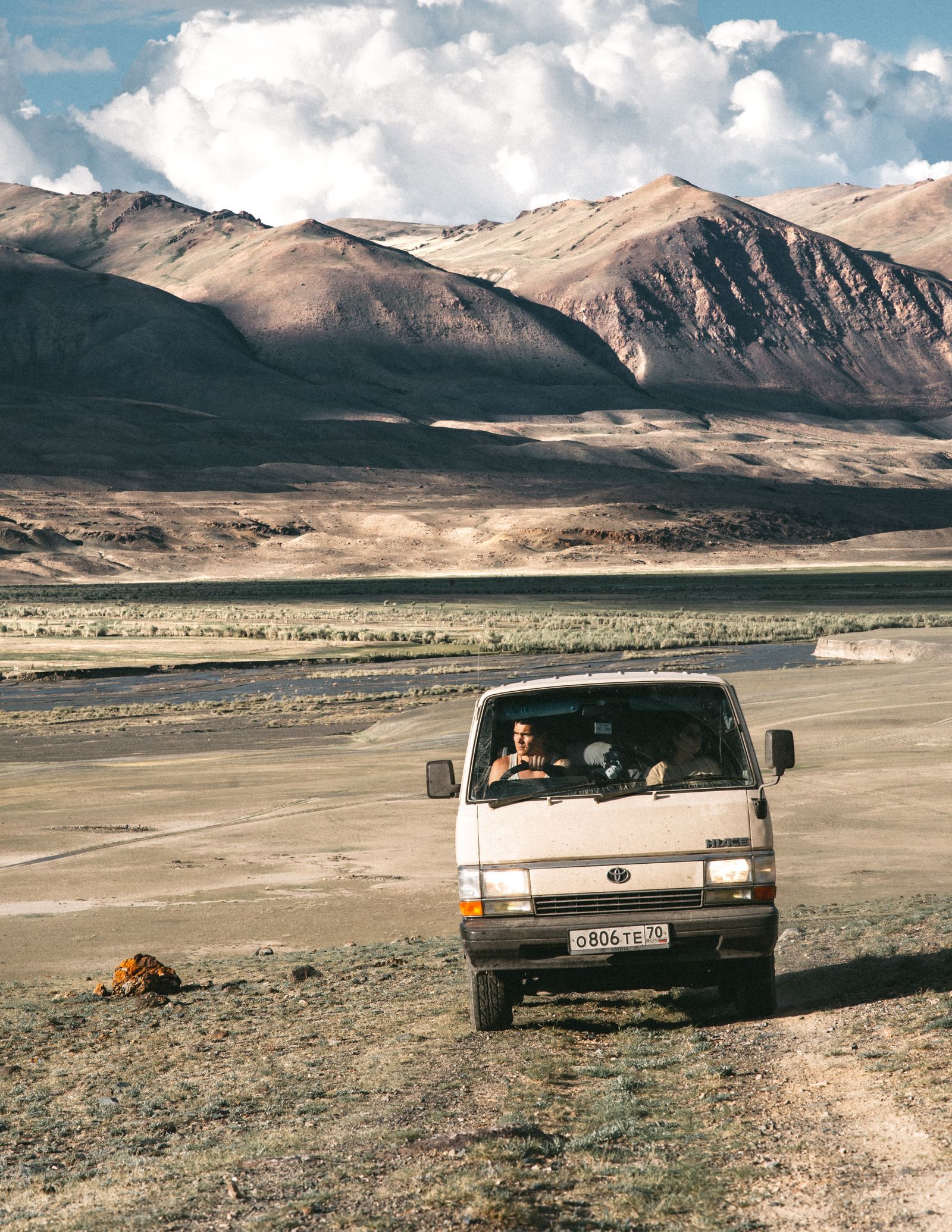
Photo: Dmitriy Ganin / Pexels
Interactive tool
Road Trip Method: Nights First, Drives Follow
Check off each step as you finish it. Your progress stays on this page.
0 of 7 complete
0% done
Decision One: The Shape of the Trip
Three shapes cover nearly every road trip, and they feel completely different from behind the wheel. A one way trip, A to B by the interesting road, covers the most new ground per day and suits a relocation or a coast to coast ambition; its costs are a possible one way rental drop fee and no second chances at anything you pass. A loop returns you to the start by a different road: no drop fee, two roads' worth of country, and the psychological ease of a circle closing. A base with day trips picks one or two towns and radiates out daily: the least driving per sight, no nightly packing, and the deepest knowledge of one place, at the price of a smaller map. Choose the shape before any stops, because the shape decides what a stop even is: on a one way, stops are beads on a string; in a base trip, they are spokes. Most failed trips are a shape error, usually a one way's appetite attempted at a base trip's pace.
Decision Two: The Daily Driving Limit
Set the limit before you fall in love with a route: four to six hours of driving per day is the range experienced planners converge on, roughly 200 to 400 miles on fast roads, and far less, sometimes under 150 miles, on mountain, coastal, or scenic roads where the driving is the point and the average speed is half the limit's fantasy. Add a quarter on top of every map estimate for fuel, food, and photo stops, because no human drives the estimate. Break at least every two hours; fatigue compounds quietly and the last hour of a long day is where road trips have their accidents and their arguments. A stricter school uses the 3 3 3 rule: no more than 300 miles a day, arrive by 3 pm, stay three nights at stops that matter. You need not adopt it whole to steal its insight, which is that the limit is a daily budget spent on arrival quality, not a challenge to maximize. One rest day with no driving in every four or five keeps the budget honest on long trips.
Decision Three: Overnights, Placed by the Limit
With the shape and the limit set, the overnights place themselves: divide the route at your daily limit and look for towns near the cut points. The governing rule is nights decide the trip: one night is for getting through, a bed and a dinner and nothing more; two nights or more is for actually seeing a place, because only the second night buys a full day there. Strings of one nighters are the classic planning failure, three in a row turns any trip into packing and driving, so route at least your favorite stops at two nights even if it means cutting a stop entirely. Mark which overnights have fixed dates (a festival, a booked lodge, a friend's availability): those become anchors, and the flexible nights arrange themselves around them. This is also the moment to count honestly: nights plus travel days is the trip's true length, and a plan that needs eleven days does not fit a nine day holiday no matter how the spreadsheet is bullied.

Decision Four: Stops Between, Ordered by Geography
Only now add the stops between overnights: viewpoints, lunch towns, short hikes, the detour worth thirty minutes. Class them as anchors (the reason the trip exists), priorities (worth a real detour), and bonuses (delightful if the day runs kind, cut without grief when it does not), and protect the day by treating bonuses as expendable from the start. Order everything by geography, not by enthusiasm: the route is a sweep across the map, and a stop that requires backtracking must justify its double cost in drive time. Cap the planned anchors at two or three per driving day and leave visible gaps in the plan; the unplanned stop, the local's tip, the sign you could not resist, is not a failure of planning but its reward, and a schedule with no gaps has no room to receive it. The per day mechanics of building each day's route in Google Maps, stop caps and drag ordering included, are the google maps route planner guide's whole subject.
Decision Five: Book Scarce First, Then Prep the Machine
Book in scarcity order, not itinerary order: small town inns, national park lodges, island stays, and anything touching a festival or peak weekend go first, because they sell out while the chain hotel at the highway exit never will. Then prep the trip's navigation stack as deliberately as its beds. Download offline maps for the whole route in your navigation app, because the scenic roads that make the trip are exactly where coverage dies; how to download offline maps is the workflow, and best offline map app compares the tools. Carry a paper map or a printed route summary as the backup that needs no battery, and a car kit that matches the country: water, a real spare or a repair kit you know how to use, and the paperwork the route's jurisdictions require, license, insurance, and an international driving permit where one is demanded. Share the plan, the overnight towns and dates, with someone not on the trip. The checklist at the top of this page compresses all five decisions into the order they must be made; a trip planned in that order rarely needs rescuing.
The Plan on Paper: One Page That Holds the Trip
Finish the method by compressing it onto one page: the shape, the dates, the overnight towns with their nights, the anchor stops, and the booking confirmations that matter. One page is a discipline, not a stationery preference: it forces the plan to the size a passenger can hold, a glovebox can keep, and a tired driver can read at a fuel stop. Under the itinerary, list the failure kit: the offline maps are downloaded (checked, with a date), the paper map is in the car, the spare plan for the longest no coverage stretch, and the phone number of the first and last nights' stays. Trips rarely fail at the level of scenery; they fail at the level of a dead phone, a sold out town, or a plan nobody can reconstruct from a locked screen. The one page, plus the method that produced it, is what makes the difference between a trip that bends and a trip that breaks, and it takes twenty minutes at the kitchen table, which is the cheapest insurance the whole journey offers.
Related Guides
Readers working through this topic usually need its closest companions too. These travel and outdoors map skills guides cover the neighboring ground:
- Road Trip Planner Apps: Roadtrippers, Furkot, Wanderlog, and the Right Tool for Discovery vs Logistics: Road trip planner apps split into two species that roundups constantly confuse: discovery tools that find interesting stops along your route, and...
- Road Trip Planner With Gas Cost: Budget the Drive Before You Turn the Key: A road trip budget stands or falls on one equation: fuel cost equals distance divided by economy, multiplied by price.
- Road Trip Planner With Gas Stops: Place Stops by Range, Then Cost Them by the Tank: Planning fuel stops is two jobs, not one: placing the stops on the route, which is a range problem, and costing them, which is a tank and economy...
Frequently Asked Questions
How many hours should you drive per day on a road trip?
Four to six hours is the range that keeps a trip enjoyable, roughly 200 to 400 miles on fast roads and much less on scenic or mountain roads. Add a quarter to map estimates for stops, break every two hours, and consider a no driving rest day every four or five days on long trips.
What is the 3 3 3 rule for road trips?
A pacing rule of thumb: drive no more than 300 miles in a day, arrive by 3 pm, and stay three nights at the stops that matter. It is stricter than most trips need, but its spirit, cap the day, arrive in daylight, linger where it counts, improves any plan it touches.
Should a road trip be a loop or one way?
A loop avoids one way rental fees, shows you two different roads, and ends where you started, which suits most holidays. One way covers the most new ground and suits a journey with a true destination. A base with day trips minimizes daily driving and packing; choose it when one region deserves depth over distance.
How many nights should I spend at each stop?
One night is for passing through: dinner, sleep, gone. Two nights is the minimum for anywhere you actually want to see, because it buys one full day there. Avoid more than two one night stops in a row; the packing and driving rhythm is what makes road trips feel like work.
What should I prepare for navigation on a road trip?
Download offline maps for the entire route before leaving, since scenic roads and dead zones coincide; keep a paper map or printed route summary as a battery free backup; and build each day's multi stop route in advance with a tool like Google Maps, whose workflow our route planner guide covers step by step.
Photo credits: Dmitriy Ganin (Pexels); Nataliya Vaitkevich (Pexels). Photos are served from this site; follow the credit to the library page for the original.